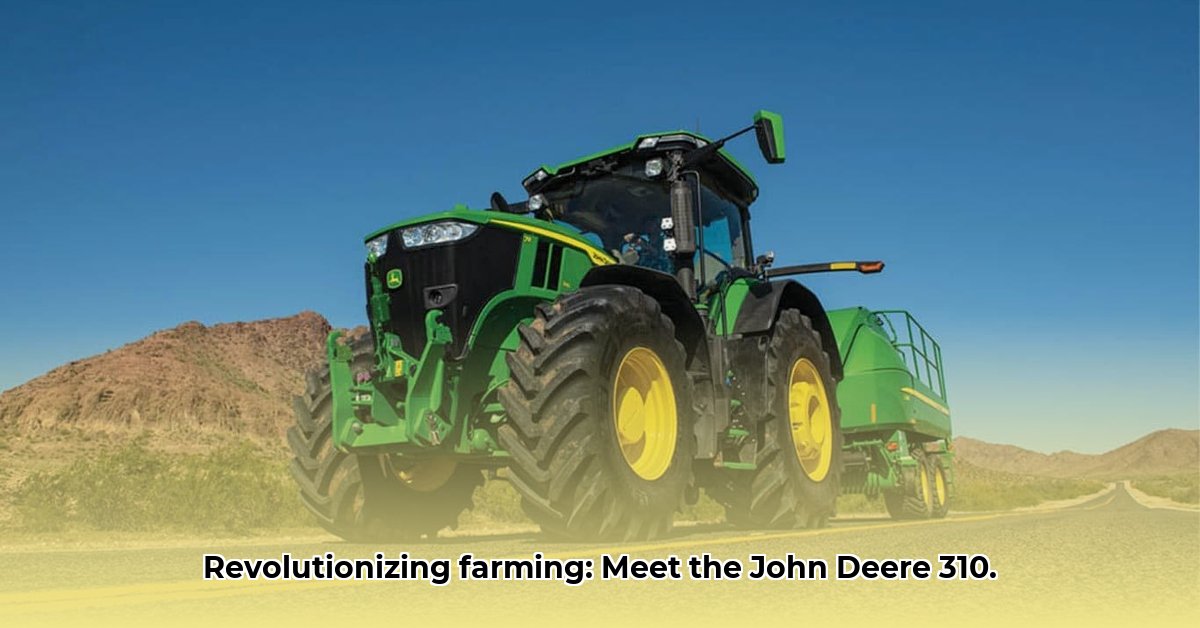
The John Deere 310 tractor, produced in the early 1970s, provides a valuable case study for analyzing the evolution of sustainable farming practices. This analysis compares its operational characteristics to modern standards, highlighting advancements in fuel efficiency, environmental impact, and overall sustainability. This assessment considers both the challenges and opportunities presented by older agricultural equipment in the context of contemporary sustainable agriculture. For more information on John Deere tractors, see this helpful resource.
Fuel Efficiency: A Historical Perspective
The John Deere 310, with its likely 19.5-gallon fuel tank (a typical capacity for tractors of that era), offers a glimpse into the fuel consumption norms of the time. While the engine's efficiency may have been considered acceptable by the standards of the early 1970s, precise fuel consumption data remains elusive. A comparative analysis with modern tractors is necessary to accurately assess its fuel efficiency relative to current benchmarks. This comparison, however, is hampered by a lack of readily available data on the 310's fuel consumption per unit of work performed (e.g., hectares tilled or bushels harvested). Such data would be crucial for quantifying its fuel efficiency relative to modern, more fuel-efficient counterparts.
Environmental Impact: A Data Deficit
A key challenge in assessing the 310's environmental impact lies in the scarcity of historical data. Unlike contemporary agricultural machinery, where greenhouse gas emissions are meticulously measured and reported, detailed emission data for the John Deere 310 is generally unavailable. Consequently, estimating its carbon footprint, a critical metric in contemporary sustainability assessments, is currently impossible without further investigation and data acquisition. Similarly, information on the recyclability of its components is limited, hindering a complete assessment from a circular economy perspective.
Sustainability Features: A Technological Divide
The 310 lacks many features integral to modern sustainable agricultural practices. It is improbable that the design incorporated strategies for minimizing soil compaction, conserving water resources, or protecting biodiversity. Direct comparison with modern tractors reveals a clear gap in environmentally conscious design principles. Modern tractors often incorporate technologies aimed at optimizing fuel efficiency, reducing soil compaction through advanced tire designs and implement configurations, and minimizing water usage through precision irrigation systems. This highlights the significant evolution towards sustainable design in agricultural machinery.
Comparing the John Deere 310 to Modern Tractors
Technological advancements have dramatically altered the capabilities and environmental performance of agricultural machinery. Modern tractors boast more efficient engines, sophisticated hydraulic systems, and enhanced overall power. Direct comparisons of sustainability, however, remain complex. A complete lifecycle assessment (LCA), encompassing manufacturing, operation, and disposal stages, is necessary for a thorough comparison. Currently, this level of comprehensive analysis is lacking for the 310, limiting our ability to draw precise conclusions about its comparative environmental performance.
Stakeholder Implications: A Multifaceted Perspective
This analysis offers valuable insight for various stakeholders:
| Stakeholder | Short-Term Actions | Long-Term Actions |
|---|---|---|
| Agricultural History Experts | Preserve and digitize operational manuals and specifications for the John Deere 310. | Develop comprehensive databases documenting the specifications and operational characteristics of historical agricultural equipment. |
| Tractor Manufacturers | Conduct comparative studies of fuel efficiency and emissions across different generations of tractors. | Invest in research and development of environmentally friendly agricultural machinery. |
| Farmers | Explore options for upgrading to more fuel-efficient and environmentally friendly equipment. | Implement sustainable farming practices that minimize environmental impact. |
| Environmental Agencies | Promote research into the environmental impacts of older agricultural equipment. | Establish guidelines for sustainable agricultural machinery and practices. |
Risks Associated with Utilizing Older Tractors
Employing a John Deere 310 in contemporary agricultural practices entails several risks. These include considerably higher greenhouse gas emissions compared to modern counterparts; the potential for significant soil compaction, potentially damaging soil health; a lack of modern sustainability features; and challenges in procuring replacement parts, potentially leading to extended downtime.
Learning from the Past: Building a Sustainable Future
The John Deere 310 presents a historical lens through which to examine the considerable advancements in sustainable agricultural technology. While it may have been considered efficient for its time, it falls significantly short of modern standards. This analysis underscores the critical need for comprehensive data collection and rigorous lifecycle assessments to understand fully the environmental impacts of agricultural machinery. Further research, including comparative fuel consumption tests and emissions analyses, is crucial to refine our understanding of the environmental performance of historical equipment. This knowledge will inform best practices in sustainable agriculture and guide the development of environmentally friendly farm machinery moving forward. The continued discussion and investigation among agricultural engineers and environmental scientists are paramount to refine the methodologies for this type of analysis and ensure accuracy.